Priority 3

Use data to personalize with purpose

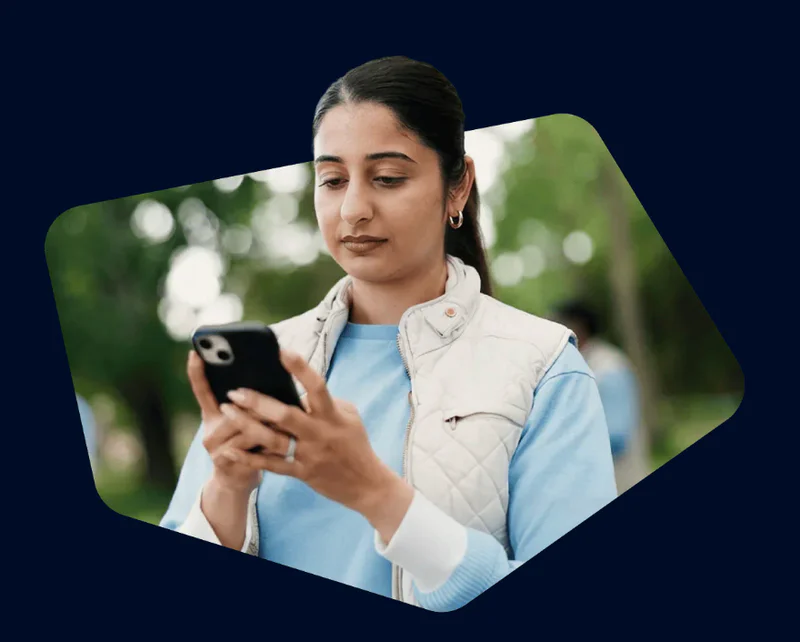
Two women smiling and looking at a smartphone in a casual setting.

The investments made in Priority 2 give organizations the tools to truly know their citizens. But knowing is only half of it. It’s what they do with that information that can make or break the citizen experience, and the data shows3 the sector is starting to make that connection in meaningful ways.

Public sector organizations are 2.5x more likely to use predictive personalization than they were in 2024. That shift reflects a genuine evolution in how they think about engagement. They’re moving away from batch-and-blast communications toward tailored content, channel preferences, and service recommendations that reflect who a citizen actually is and what they actually need.

In practice, this can look like the resident who uses public transportation and gets a real-time alert when their usual route is disrupted or a small business owner that receives a reminder that their annual license is due on the digital channel of their choice. Personalization at its best doesn’t just inform, it anticipates.


of the public sector is using GenAI for digital citizen engagement

of the public sector is using Agentic AI for digital citizen engagement

The gap is wide, but the direction is right

The reality is that citizens aren't feeling the benefits of personalization yet. Seventy percent of public sector organizations say they personalize their communications often to always. Only 25% of citizens agree. For every four organizations confident that they're personalizing, only one citizen on the other end feels it. The demand is already there. What's missing is the infrastructure to make citizens feel known. 

The barrier is data, not intent

Most public sector organizations want to personalize better. The barrier isn't motivation. It's infrastructure. Personalization is only as good as the data behind it, and without resolved citizen profiles and cross-channel data sharing, even well-intentioned personalization efforts remain surface-level. Citizens notice the difference between communications that feel tailored and communications that just have their name in the subject line. Closing the gap means going deeper than the easy wins.

What it looks like when it works

Digital leaders personalize 67% of their engagement versus 41% for those organizations at the beginner level. The public sector organizations connecting their foundational investments to their personalization execution are the ones seeing the gap close measurably, and the ones citizens are starting to notice.

The AI moment

Predictive models can surface relevant services, pre-populate forms, and tailor communications based on prior interactions, all without manual segmentation. The fastest gains are in organizations that have connected AI investments directly to their citizen data infrastructure. Digital leaders are significantly more likely to use GenAI (43% vs. 16%) and agentic AI (42% vs. 15%) operationally. For organizations still personalizing manually, the gap to leaders is only growing.

Unless otherwise noted, the statistics cited in this report are based on two blind online surveys commissioned by Twilio, designed and analyzed by Lawless Research, and fielded from April to May 2026