Be ready when it counts, modernize emergency communications
The gap that matters the most
Eighty-four percent of organizations rate their emergency communications as good or excellent. Only 58% of citizens agree. That gap holds across every level of government: local, state, and federal organizations all receive similar citizen ratings, which means this isn't a problem isolated to one part of the sector. It's a systemic one.
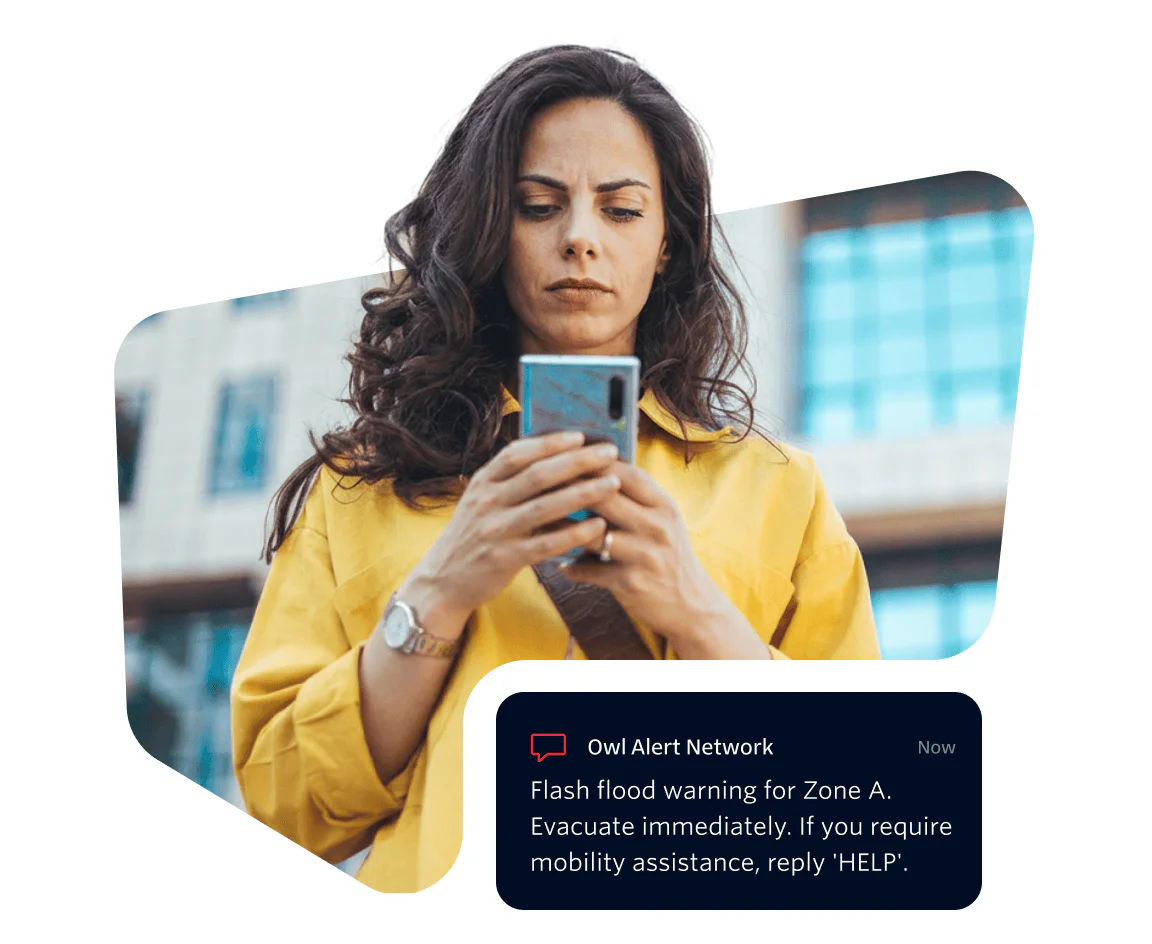
The most actionable finding in this section is also the most specific. Citizens prefer text and SMS for emergency alerts above almost every other channel. Only 48% of public sector agencies currently deliver them through this channel.
Meanwhile, organizations continue to lean heavily on email, with 53% using it, even though only 45% of citizens prefer it for this type of communication. In a category where the right message in the right channel can be the difference between someone getting to safety or not, that variation matters.
Closing the emergency communication gap
The gap between leaders and the rest of the public sector on emergency communications is one of the widest in the entire dataset, and it comes down to coordination. Most organizations operate in isolation, managing alerts within their own department or agency without the cross-agency integration that makes real-time, comprehensive communication possible.
Public sector organizations on the "leader" level of digital maturity have solved for that: 37% describe their approach as proactive and adaptive, and they are significantly more likely to use email, text, and chatbots than their peers. When every agency works from a separate system, citizens get a fragmented picture at exactly the moment they need a clear one.
The payoff for getting this right is transformational
Closing the text and SMS gap is the highest-impact near-term investment the data identifies for emergency preparedness. It's specific, it's actionable, and citizens have told us exactly what they want. Building toward AI-supported alerting is the longer arc, but the public sector organizations that start by meeting citizens where they already are will be the ones best positioned to make that transition.



4 Unless otherwise noted, the statistics cited in this report are based on two blind online surveys commissioned by Twilio, designed and analyzed by Lawless Research, and fielded from April to May 2026