Build a unified citizen experience

The cost of fragmentation is real
Only 8% of public sector organizations currently have a unified citizen engagement strategy in place, despite 85% of citizens saying it would be valuable. The cost of that gap is concrete. For example, citizens can miss critical deadlines because no one reached them on their preferred channel. Staff can spend time fielding repetitive calls from citizens navigating between departments, and IT budgets go toward maintaining redundant, siloed systems that still deliver an inconsistent experience. The burden of a fragmented government communications framework falls on three distinct groups: citizens, staff, and taxpayers. A single, integrated experience is the answer to all three.
The momentum is accelerating
Thirty percent of public sector organizations are actively piloting a unified strategy right now. Organizations on the 'leader' level of digital maturity are three times more likely to have one in place. The concept is moving from aspiration to active implementation across the sector, and the organizations getting there first are building a meaningful advantage. The barrier that remains is the same one that runs through every priority in this report: siloed systems and departmental data isolation make cross-agency coordination technically and organizationally difficult. Without shared infrastructure, unified engagement stays a goal rather than an operating model.
What it looks like when it works
When the unified experience comes together, the impact is profound across every dimension. The inter-agency runaround stops. Citizens' full history is visible, and issues are resolved in a single contact instead of bouncing between agencies. Critical deadlines are delivered proactively in the citizen's preferred channel before they're missed. Call center strain drops as automated updates reduce repetitive inbound volume and self-service portals handle routine needs. And redundant IT spending is replaced by shared, centralized communications infrastructure that simplifies compliance and ensures a consistent experience across every agency interaction.
The AI moment
Conversation memory and intelligent cross-agency routing are what make unified engagement operationally feasible at scale. Without AI-powered infrastructure connecting disparate systems, unified engagement remains an aspiration. With it, the dots connect between agencies, channels, and interactions without requiring citizens to start over every time. This is where the technology investment made across every prior priority compounds into something citizens actually feel.
Solution Spotlight
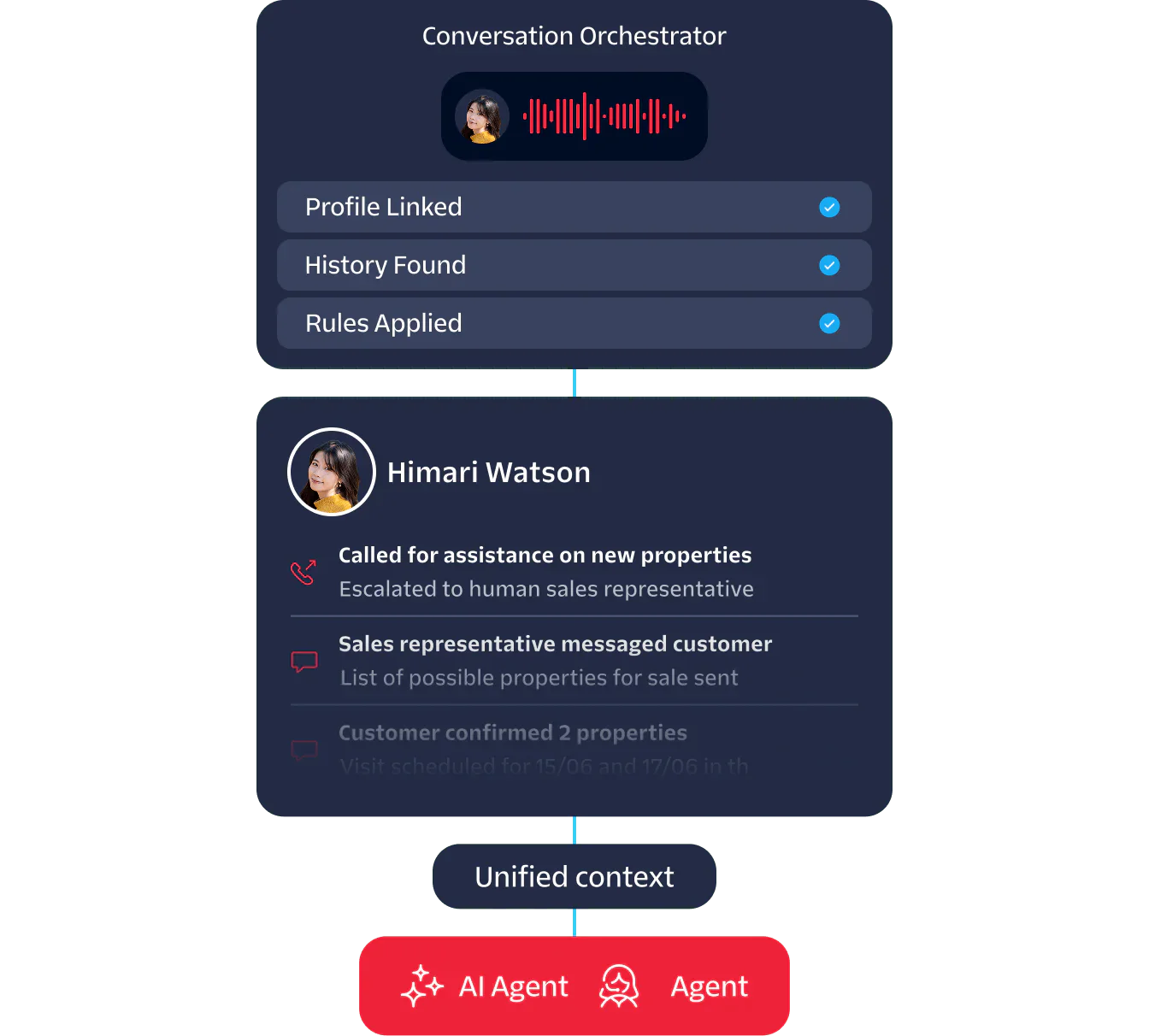
Conversation Orchestrator
Automatically capture interactions into a single shared conversation
Twilo Conversation Orchestrator unifies fragmented interactions into a single continuous conversation across voice, SMS, WhatsApp, and RCS, resolving citizen identity along the way.
Twilio Conversation Memory builds cross-channel profiles on top of that, so agents pick up exactly where the last interaction left off instead of starting cold.
Twilio Conversation Intelligence then runs on that unified conversation lifecycle, treating a citizen's move from voice to SMS to WhatsApp as one continuous interaction. Together, these layers deliver proactive alerts, single-contact resolution, and lower call center strain — without custom middleware stitching every department and channel together.
The work ahead is already underway
The findings in this report are a map of where the next chapter begins.
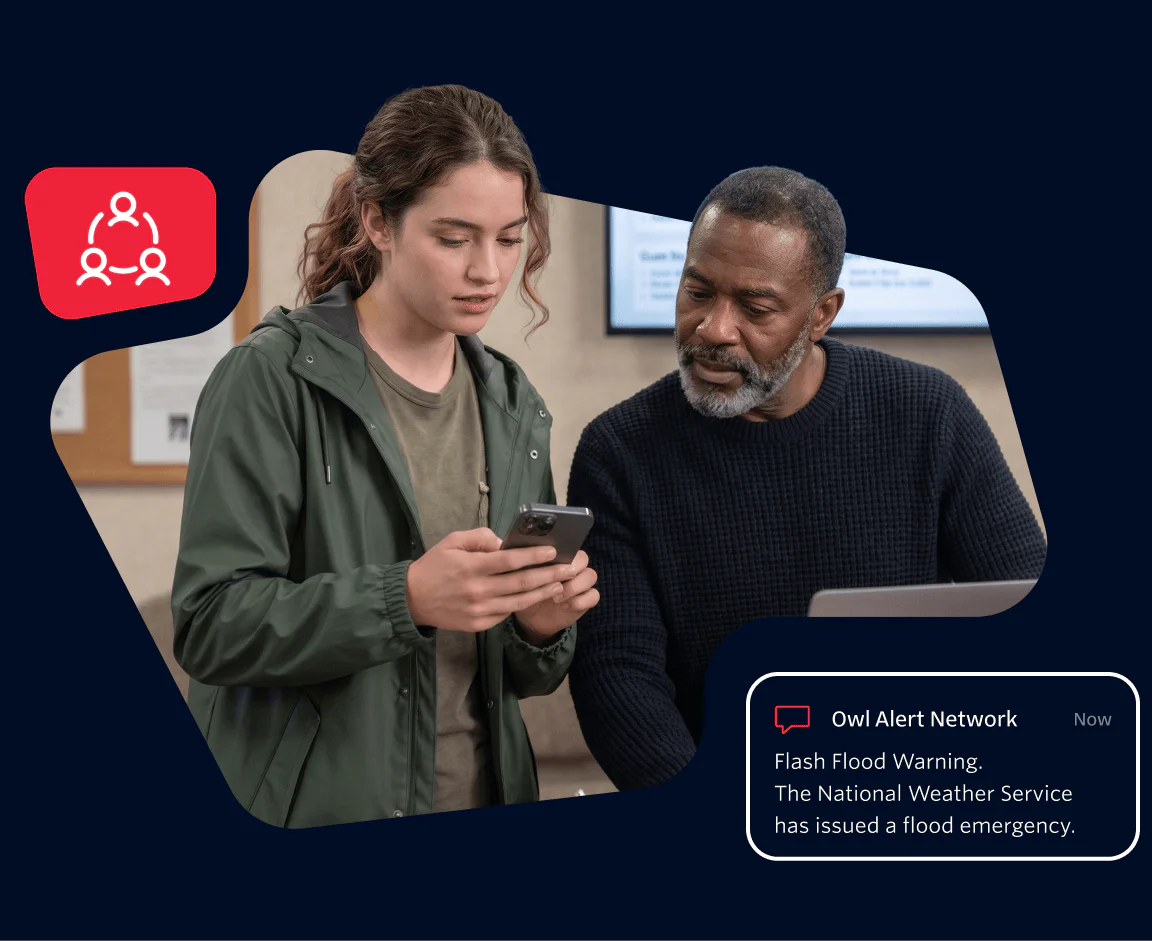
The first wave of public sector digitization is complete. They are standing at an inflection point where the important work of building digital capacity has largely been done, and the question has shifted. Today, we’re not asking whether to digitize, but how to do it in ways that citizens can actually feel the impact more acutely.
Citizens are demanding this and invested in the public sector organization’s digital progress. Eighty-five percent of citizens say a unified engagement experience would be valuable. Eighty-two percent want more channels. Fifty-three percent say personalization has high or critical importance to them. Citizens are demanding to be treated like someone the government already knows, to avoid repeating themselves, to get the alert before the deadline passes, and to have one interaction that connects to the next.
of citizens say a unified engagement experience would be valuable
of citizens want more
digital channels
of citizens say personalization has high or critical importance to them
The good news is, the public sector organizations already addressing these experiences aren't outliers. They're leaders, and this report is full of what separates them from the rest.
The five priorities in this report share a common thread. The public sector organizations making the most meaningful progress aren't just adding more (more channels, more tools, more use cases). They're connecting what they already have. They're breaking down the silos that keep citizen data fragmented. They're coordinating across agencies. They're reaching citizens before the frustration becomes a phone call, before the missed deadline becomes a crisis, and before the distrust becomes disengagement.
Ready to put these priorities into action?
Explore how we're helping public sector organizations build the digital engagement experience citizens expect.





5 Unless otherwise noted, the statistics cited in this report are based on two blind online surveys commissioned by Twilio, designed and analyzed by Lawless Research, and fielded from April to May 2026