Guide
9 cross-selling tips & techniques to boost sales
Learn 9 proven cross-selling tips, techniques, and strategies to boost sales by recommending relevant products to the right customers at the right time.
Time to read:
AI generated summary
- Cross-selling boosts revenue by leveraging existing customer trust and behavior
- 70% chance of selling to existing customers vs. 20% for new customers, highlighting significant opportunity
- Effective cross-selling relies on timing, relevance, and understanding customer behavior
- Twilio Segment unifies customer data across touchpoints to enhance cross-selling strategies
This summary was generated by AI.
6 Cross-Selling Tips & Techniques to Boost Sales
Cross-selling is the practice of recommending additional products or services to existing customers based on their current or previous purchases. When done well, it increases revenue while improving the customer experience by helping people find relevant products they need.
Since there’s a 70% chance of selling to existing customers, compared to only 20% with new customers, cross-selling is a prime opportunity to increase revenue. Your current customers already trust you, know your products, and have payment information on file. They're your easiest path to incremental revenue.
The challenge is doing it without being pushy or irrelevant. Bad cross-selling feels like spam. Good cross-selling feels helpful.
The difference comes down to understanding customer behavior, timing your recommendations strategically, and suggesting products that genuinely complement what someone is already buying.
Here are 9 cross-selling tips to help you drive sales and cultivate customer loyalty.
What is cross-selling?
Cross-selling is a sales technique where you recommend additional products or services that complement what a customer is already purchasing. The goal is increasing the total transaction value by suggesting relevant add-ons, accessories, or related items that enhance the original purchase.
This isn't the same as upselling.
Upselling encourages customers to buy a more expensive version of the same product (upgrading from the basic model to the premium model). Cross-selling suggests different products that go well together (buying a phone case and screen protector with your new phone).
Cross-selling examples:
- A customer buying a camera gets recommended a memory card, camera bag, and extra battery
- Someone purchasing running shoes sees suggestions for running socks and a fitness tracker
- A software subscription buyer is offered training courses or premium support
- A hotel booking triggers offers for airport transfers and dinner reservations
Cross-selling works because existing customers already have buying intent (the credit card is usually already out). Suggesting relevant additions at that moment is far easier than cold outreach to someone who's never heard of you.
9 cross-selling tips & techniques
Although a cross-selling strategy ultimately aims to increase your bottom line, a subtle approach is far more effective than just another sales pitch. The most important thing is to ensure that your suggested add-ons are relevant to your customers; otherwise, you will add unnecessary friction to the shopping experience.
1. Track customer purchasing behavior
Cross-selling techniques are more likely to convert customers because these recommendations are based on products that they already bought or showed an interest in. Analyzing your customers’ preferences and prior purchases helps you make offers and recommendations that match that interest.
To understand the full scope of a customer’s purchasing behavior, you need to track their buying patterns across channels (email, website, app) and devices (desktop and mobile). This customer data will help you answer questions like:
- What products are often sold together?
- What products do people look at while considering a purchase?
- What products do people come back for after their previous purchase?
- When do customers add products to their carts during the customer journey?
Once you have a good grasp of your customers’ preferences, you can make customized product recommendations that arrive at the right time in the customer journey.
2. Divide existing customers into segments and map out relevant product recommendations
Customer segmentation enables you to identify groups with similar buying patterns so that you can suggest complementary items.
There are many different models for customer segmentation, but some will be more effective depending on your brand and industry. For example, value-based segmentation helps you identify which audience segment has the potential to yield the greatest return on investment. Choosing the right approach to customer segmentation has considerable benefits: DigitalOcean saw a 33% improvement in cost per conversion by using hyper-targeted messaging based on their customer segments.
3. Use auto-triggered messages to pitch at the perfect time
Automated follow-up messages can act as a gentle nudge for customers, encouraging them to keep engaging with your brand.
The best time to suggest complementary products is after a customer has clearly indicated they want to make a purchase. This could look like adding an item to their cart or browsing additional items on your website. Once you’ve identified the best cross-selling opportunities in the customer journey, you can set up marketing automation workflows based on these actions.
For example, every time someone adds an item to their cart, it can trigger an automated popup message that suggests similar items. With a conversion rate of nearly 6% on mobile, popups are a highly effective way to engage already interested customers. Cart abandonment emails are another great way to recommend additional products based on customers' behavior and interests.
4. Limit the number of messages and products you pitch
Although cross-selling seems like an easy way to sell more products, you can easily overwhelm customers with too many suggestions. This could even create a negative experience and deter customers from buying from you at all.
Instead of suggesting a huge list of complementary products every time, limit yourself to three or four recommendations that are personalized for that customer segment. You can share these suggestions:
- On the product page
- In a cart drawer message after a customer adds an item to their cart
- At checkout
- In a post-purchase email drip campaign
This ensures that your cross-selling efforts reach customers who are more likely to convert.
5. Demonstrate a use case for the product you’re pitching in tandem with the original purchase
Even if a product recommendation targets the right customer, they still might not be convinced. Use cases and demos help convince customers of the value of an additional purchase.
Say a customer has added a blow dryer to their shopping cart. You could simply suggest related products like a round brush and a styling mousse. But a video of how to use these products together would clearly illustrate the value of purchasing all three items.
6. Make the offers available for a limited time
A limited-time offer creates a sense of urgency that incentivizes your customers to buy more products so they don’t miss out. One example of a limited cross-selling offer is a temporary discount. If a customer adds sunscreen to their cart, you can give them a discount on a sunhat that expires in a few hours.
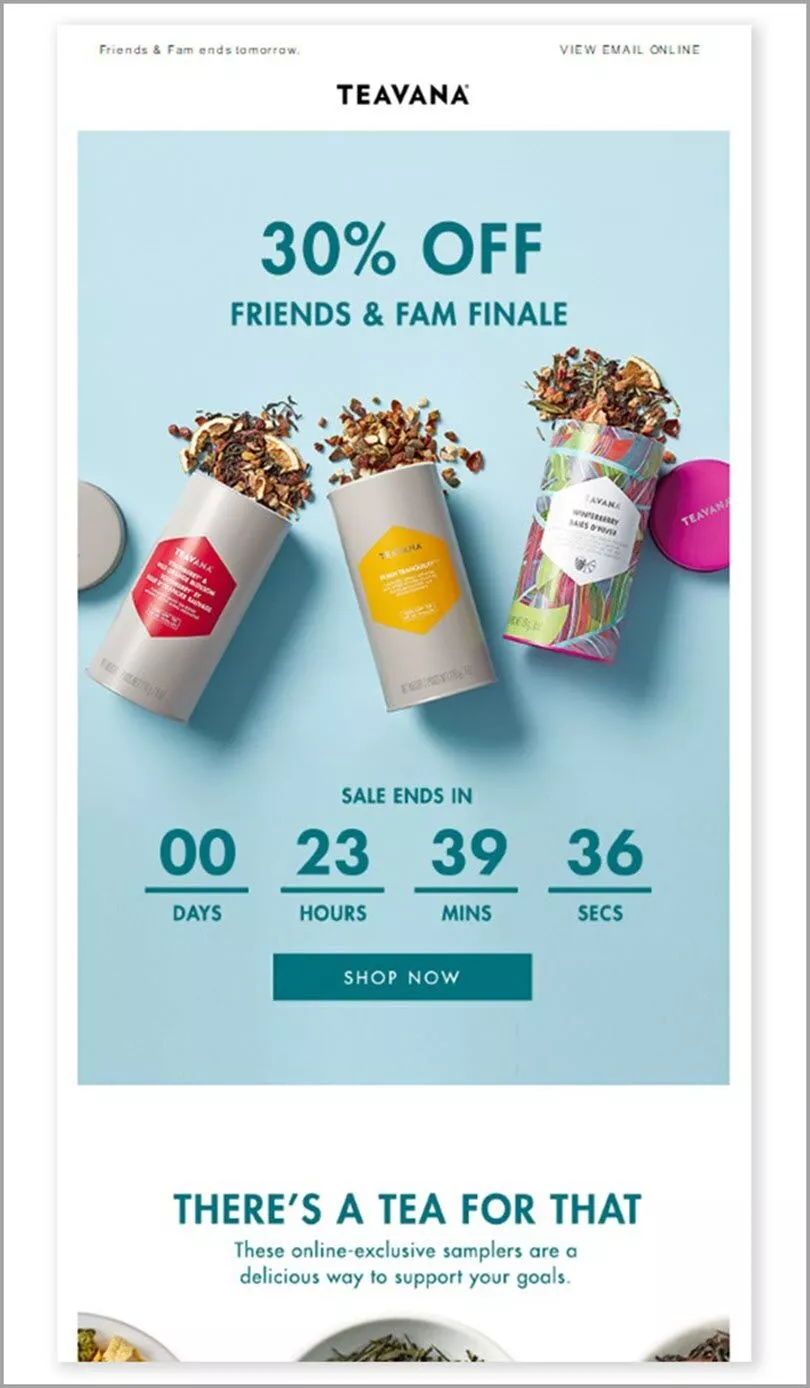
Adding a countdown to your promotional messages is another way to create that sense of urgency for your customers. Other limited-time sales techniques include:
- Daily deals
- “Last chance” promotions for returning customers
- Clearance sales
- “While supplies last” discounts
7. Leverage social proof to validate recommendations
Customers are more likely to add complementary products when they see others have done the same. Social proof reduces purchase hesitation by showing that your cross-sell suggestions are proven combinations that real customers choose.
Include indicators like:
- "850 customers bought these items together"
- Star ratings and reviews for the recommended products
- "Bestseller" or "Most popular combo" badges
- Customer photos showing products used together
- Testimonials specifically mentioning product pairings
Social proof works especially well for customers who are unfamiliar with your product catalog. When someone sees that hundreds of others purchased the same combination, it builds confidence that the recommendation is legitimate and useful.
8. Create product bundles with a discount incentive
Pre-packaged bundles make cross-selling frictionless by removing the decision-making burden from customers. Instead of asking them to evaluate three separate products, present a single bundle at a discounted price.
For example, instead of suggesting a camera bag, memory card, and lens cleaner individually, create a "Photographer's Starter Kit" that includes all three at 15% off the combined price. The bundle name communicates clear value, and the discount provides financial incentive.
Bundles work well for first-time customers who don't know which products they need. The curated selection demonstrates expertise and simplifies decision-making.
9. Use post-purchase cross-selling to extend customer value
Not all cross-selling has to happen during the initial transaction. Post-purchase recommendations can drive repeat visits and additional sales without interrupting the checkout flow.
After a customer completes their purchase, you can:
- Send a follow-up email 3-5 days later suggesting complementary products based on what they bought
- Include cross-sell recommendations in shipping confirmation emails
- Trigger automated campaigns when customers use or activate products (e.g., "You've been using your coffee maker for a week—time for fresh beans?")
- Offer exclusive post-purchase discounts on related items
- Create a "Complete your set" email series for product lines with multiple components
Post-purchase cross-selling has advantages over in-cart suggestions: there's no risk of distracting customers from completing their current purchase, you can time recommendations based on product usage patterns, and you can personalize based on how customers use what they bought (tracked through product engagement data).
Why customer data is the key to successful cross-selling
To personalize cross-selling, you need to properly track customer data and analyze it with the right tools. Your customer data provides unparalleled insight into your customers’ needs, challenges, and buying preferences.
Imagine that you’re a salesperson behind a brick wall who can’t interact with customers. That’s what happens when you implement a cross-selling strategy without using customer data. If all you know is the item someone wants to purchase – nothing about their demographics, previous purchases, or behavior – it’s difficult to make personalized recommendations.
Twilio Segment's customer data platform unifies customer data from every touchpoint to give you the insights needed to identify cross-selling opportunities, segment customers effectively, and trigger relevant recommendations at exactly the right moment.
See for yourself. Sign up for free to get started.
Frequently asked questions
Vacasa, a North American vacation rental management platform, analyzed customer behavior to recommend similar vacation rental units based on a customer’s browsing history. Their highly personalized email marketing campaigns ultimately tripled their guest bookings.
Avoid targeting customers who have recently had a bad experience with your brand: You’ll do more harm than good if you try to win them back by recommending another product.
Don’t interfere with the original purchase process: Wait until customers have added an item to their cart before targeting them with cross-selling messages.
Although personalized cross-sells make up just 7% of web visits, they also account for 26% of total revenue. McKinsey also found that cross-selling increases sales by 20% for a 30% improvement in profits.
Twilio Engage simplifies the challenge of cross-selling by bringing all the data and tools you need into one platform. It collects customer data from multiple channels and unites them in a centralized database to create in-depth customer profiles. Twilio Engage then updates these profiles in real time based on the customer’s most recent interactions with your business.
Twilio Engage’s customer segmentation enables you to identify common behavior among your customers, like demographics and buying patterns. With these data-driven, up-to-date customer profiles and segments, you can then determine the best opportunities for cross-selling throughout the customer journey. For example, if a customer has recently subscribed to the premium version of your platform, you might follow up with a limited-time discount to add another software offering from your product suite.