Recipe
Streamline Fintech Onboarding with Real-Time Insight to Action
Acquisition and onboarding in financial services require more than just usability—they demand trust and fast value delivery. This recipe shows how Fintech teams can identify friction, optimize signup flows, and trigger personalized follow-ups.
What do you need?
-
Source: Amplitude
-
Source: Twilio Segment SDK
-
Destination: ESP (e.g., Braze, Iterable)
On this page
What you'll learn
You’ll learn how to:
Track essential onboarding signals tailored for fintech use cases
Use Amplitude dashboards to diagnose friction around signup and KYC
Test onboarding improvements with feature flags
Reactivate stalled users through real-time, personalized follow-ups
Step 1: Track your onboarding funnel
The first step is to map out these events and start tracking new user flows in Twilio Segment.
Begin by mapping your user’s onboarding path, which for a fintech provider often includes:
Form start
Identity verification/KYC step
Account creation
Initial deposit or funding
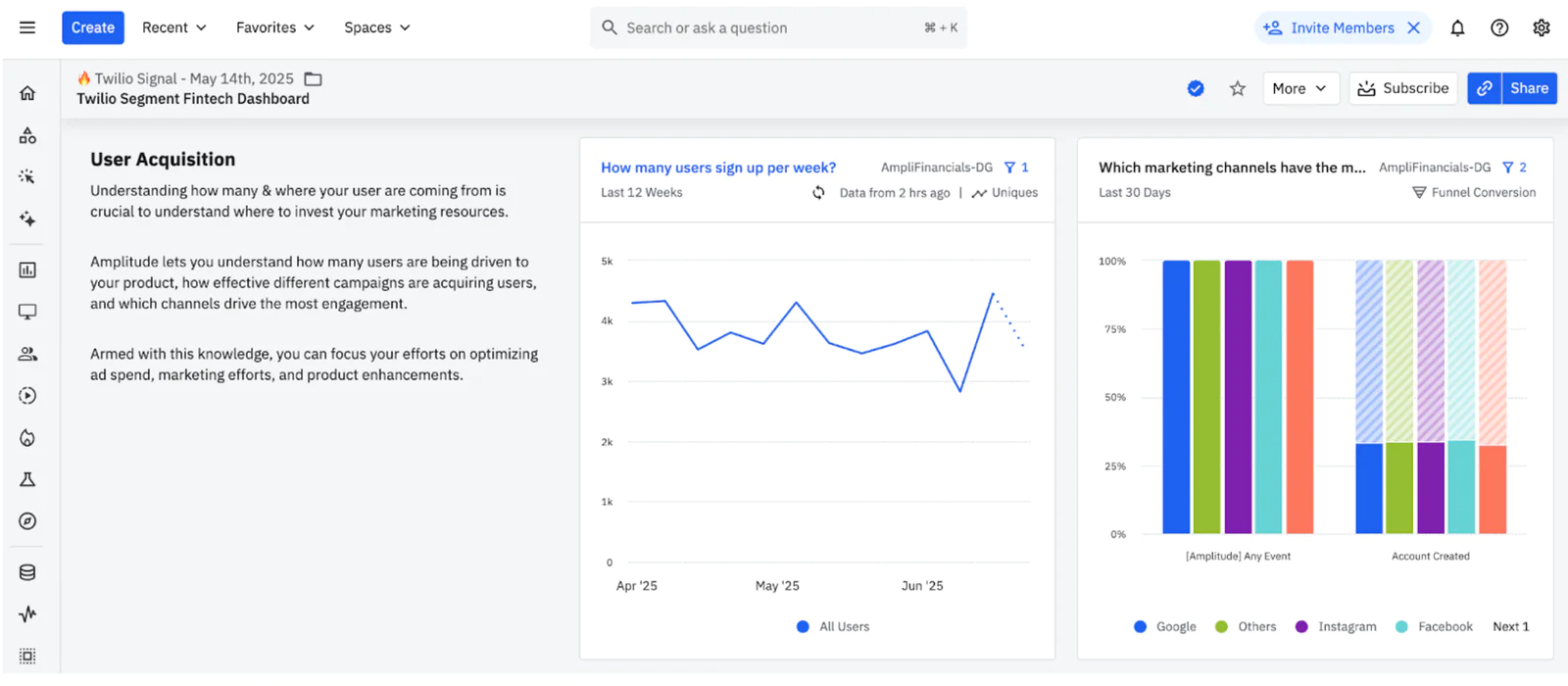
Once you have your funnel, it’s time to start understanding it. Your Twilio Segment events will automatically populate and sync to Amplitude’s Fintech dashboard templates—giving you instant visibility into funnel conversion by step and channel efficiency by activation rates.
For example, you might discover that mobile users referred from paid social campaigns complete sign-up but abandon the process during identity verification.
Step 2: Experiment with sign up flows
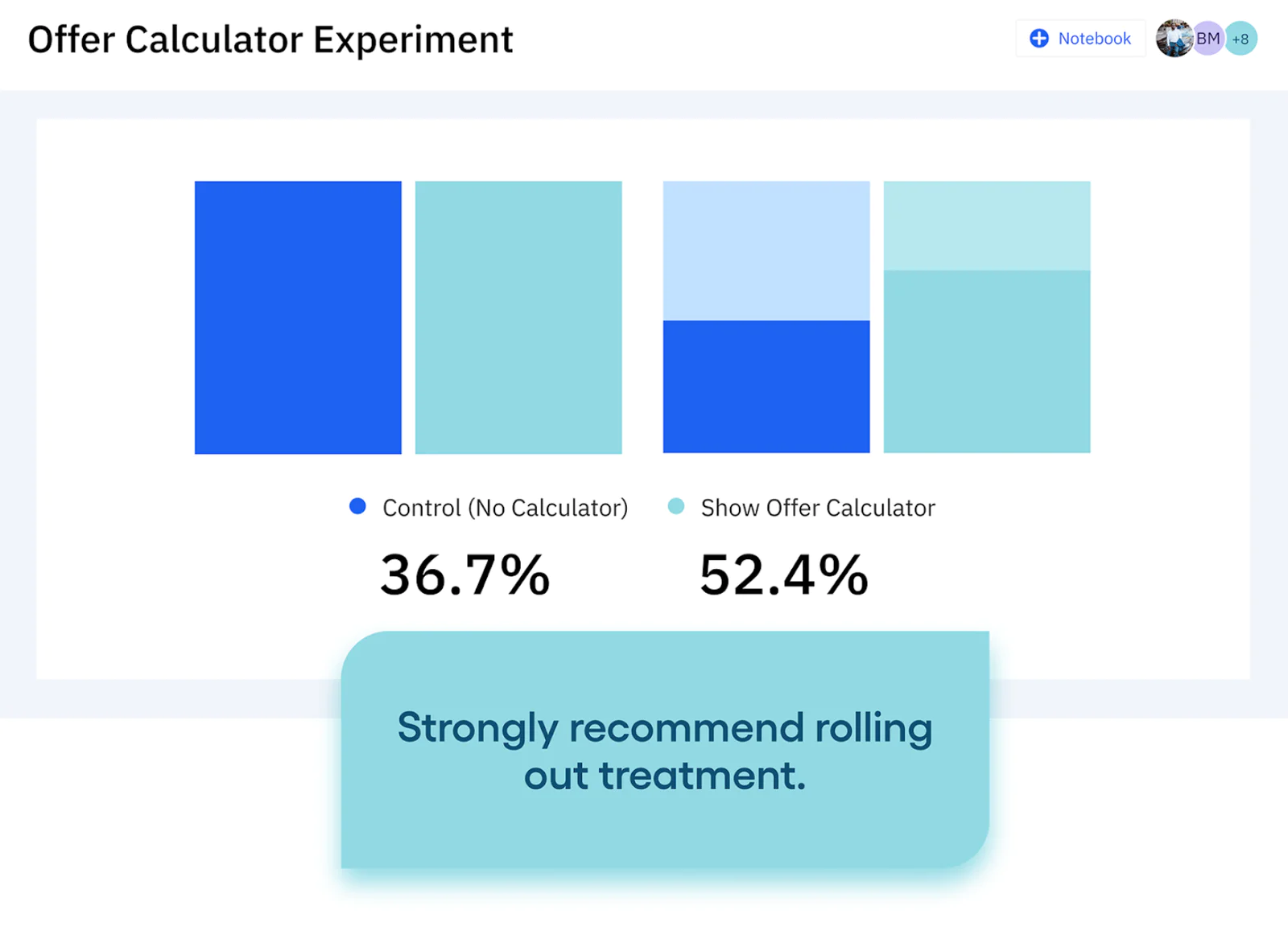
Use your user insights to create a targeted experiment in Amplitude—such as streamlining the KYC step or testing a progress indicator for this segment. In financial services, common friction points include:
Uploading ID documents on mobile
Waiting for verification approvals
Complex multi-step forms
With feature flags, you can:
Gradually roll out simplified signup flows
A/B test educational tooltips or "save progress" options
Test pre-verification feature previews to keep users engaged
Track each user’s assigned variant and measure downstream impact on sign up or account funding.
Step 3: Send cohorts back to Twilio Segment for activation
Once you've identified the best-performing onboarding flow through experimentation, take it a step further by connecting those insights across channels.
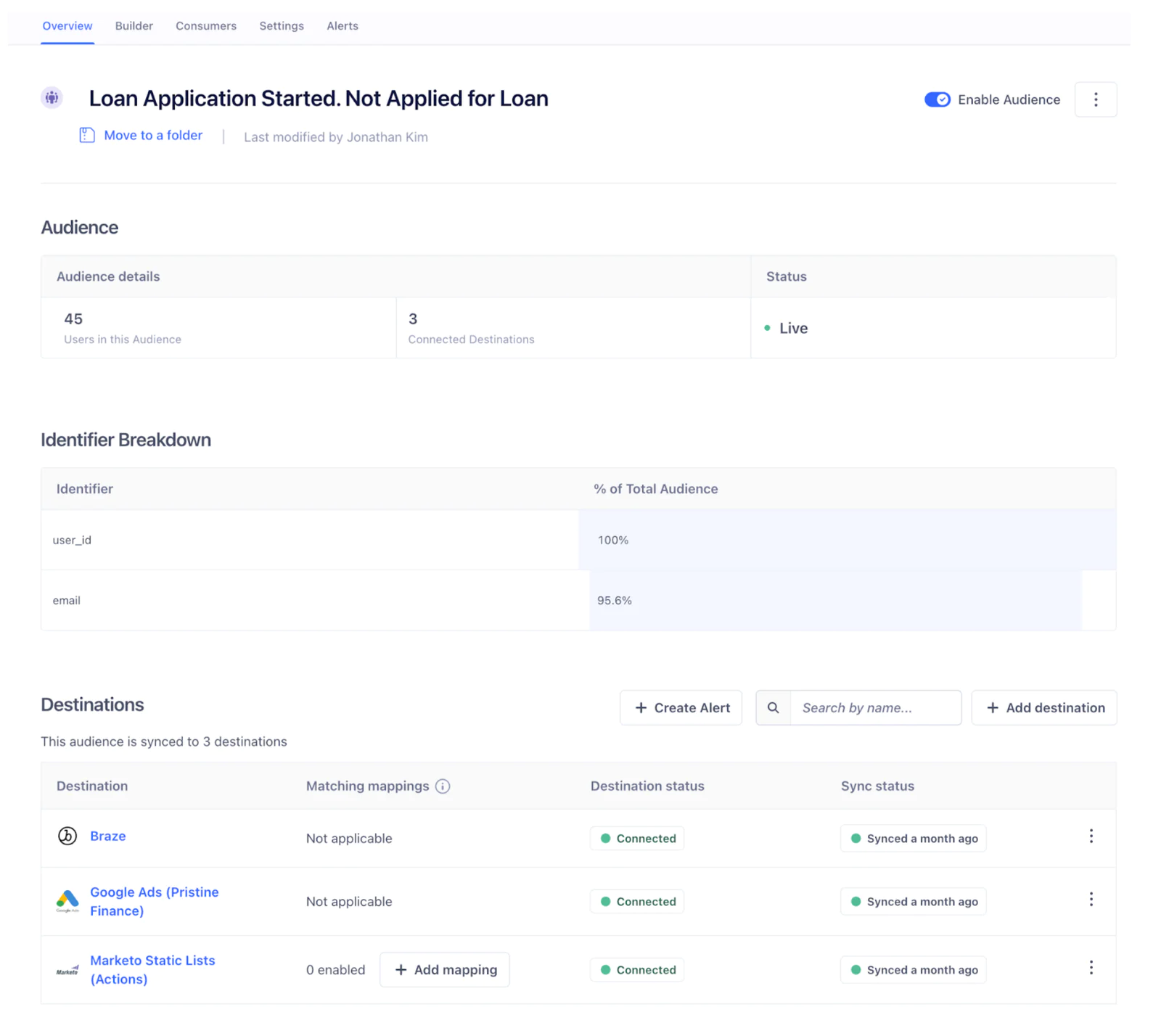
Sync Amplitude cohorts and user traits to Twilio Segment to create a richer, real-time profile of each user — from behavioral signals (e.g., repeat visits, funnel drop-offs) to declared attributes (e.g., funding preferences, onboarding progress).
With Twilio Segment’s powerful audience and traits syncing, you can seamlessly send this data to your engagement tools (e.g., Iterable, Braze) to:
Trigger personalized onboarding nudges — Automatically deliver messages tailored to where each user is in the flow, using traits like account type, funding stage, or last completed milestone.
Reactivate users with high funding intent — Combine behavioral cohorts (e.g., users who abandoned onboarding) with traits (e.g., business size, funding goal) to run win-back campaigns that speak directly to their needs.
Run compliance-friendly, behavior-based follow-ups at scale — Use real-time events and traits to ensure follow-ups are relevant, timely, and respectful of user preferences and consent.
Improve Advertising Match Rates: Broaden your advertising audience and boost match rates by leveraging traits and identifiers to target the ideal customers.
Enhance Personalized Messaging: Incorporate traits directly into your payloads to ensure your messages contain the most accurate and current data.
Customize Identifier Delivery: Manage which identifiers you share with Destinations. For profiles containing multiple identifiers, select an optimal strategy to determine which identifiers are sent downstream.
By syncing both cohorts and traits back through Twilio Segment, you ensure that experimentation doesn’t just inform product design — it fuels cohesive, cross-channel experiences that adapt to each user’s context and maximize adoption, conversion, and lifetime value.
Wrapping up
Here’s what we’ve done in this growth recipe:
Mapped and analyzed the key stages of user onboarding
Diagnosed conversion issues with real-time, no-code Amplitude dashboards
Experimented with onboarding flow improvements
Reactivated high-potential users via Twilio Segment-powered email channels
Easily personalize customer experiences with first-party data
With a huge integration catalog and plenty of no-code features, Twilio Segment provides easy-to-maintain capability to your teams with minimal engineering effort. Great data doesn't have to be hard work!