Uncover valuable insights and actions in real-time
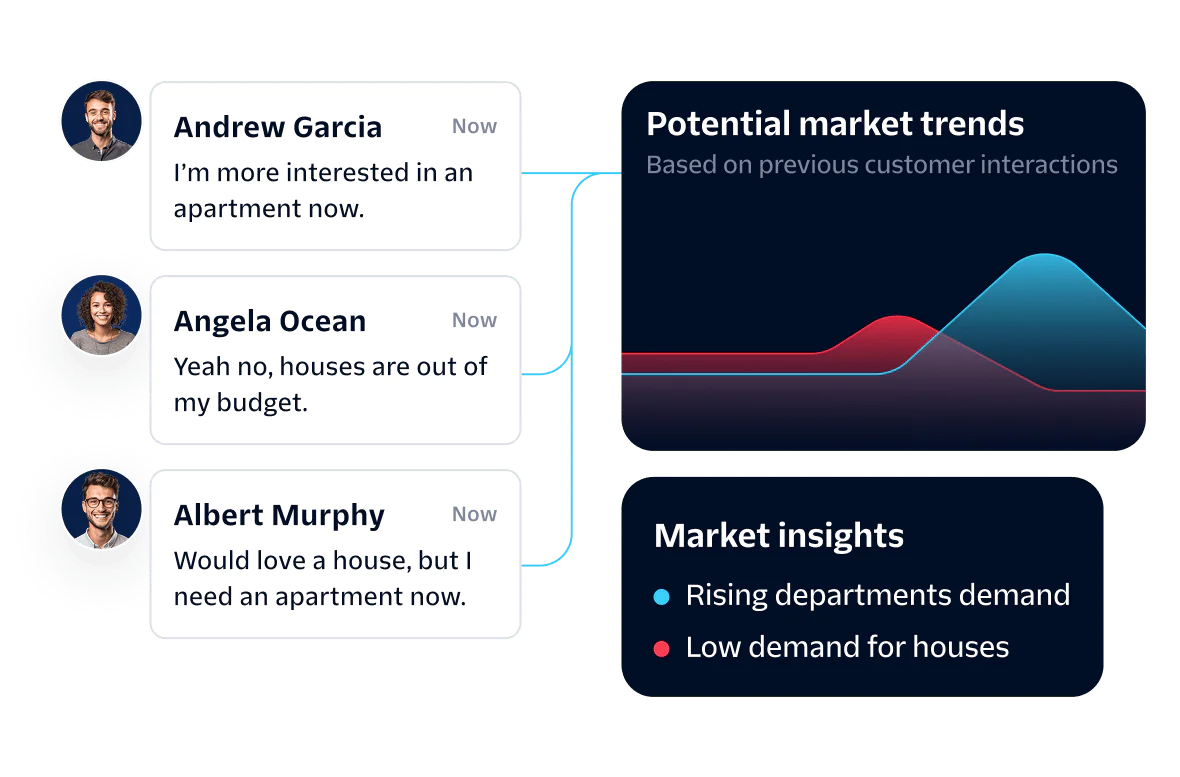
Analyze customer conversations at scale
Move beyond random conversation selection with AI-driven insights to boost efficiency and agent performance in the moment.
-
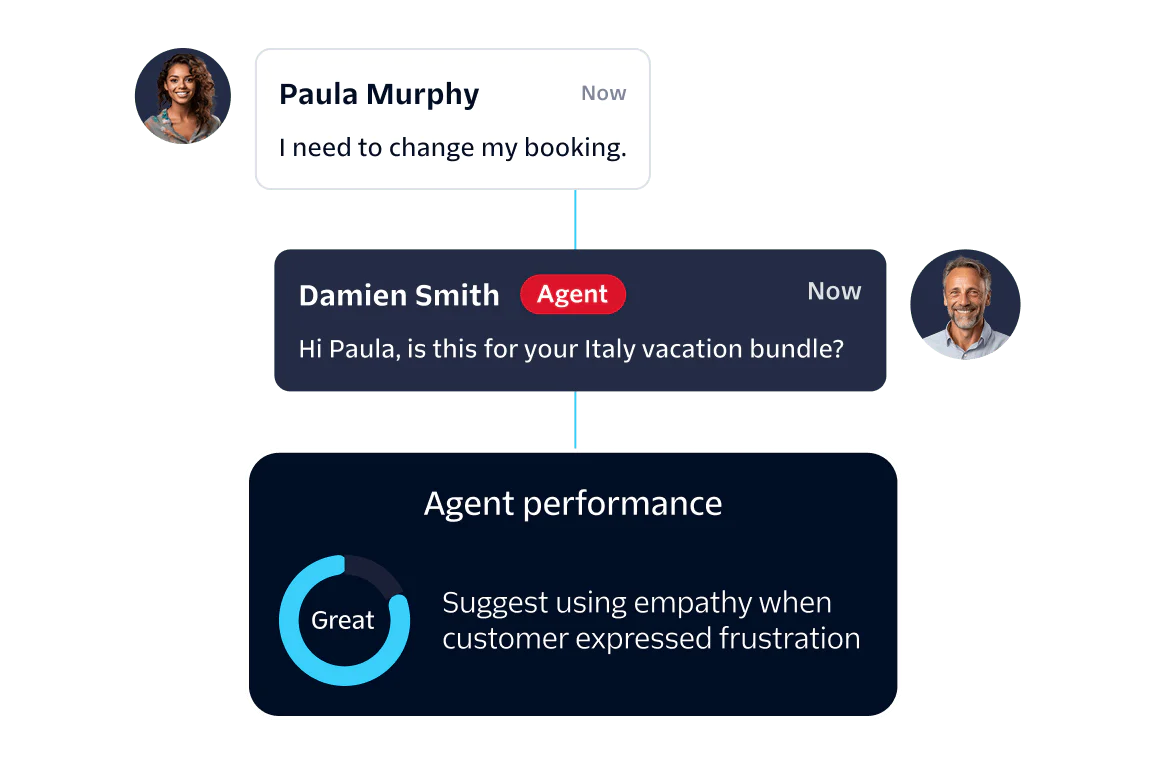
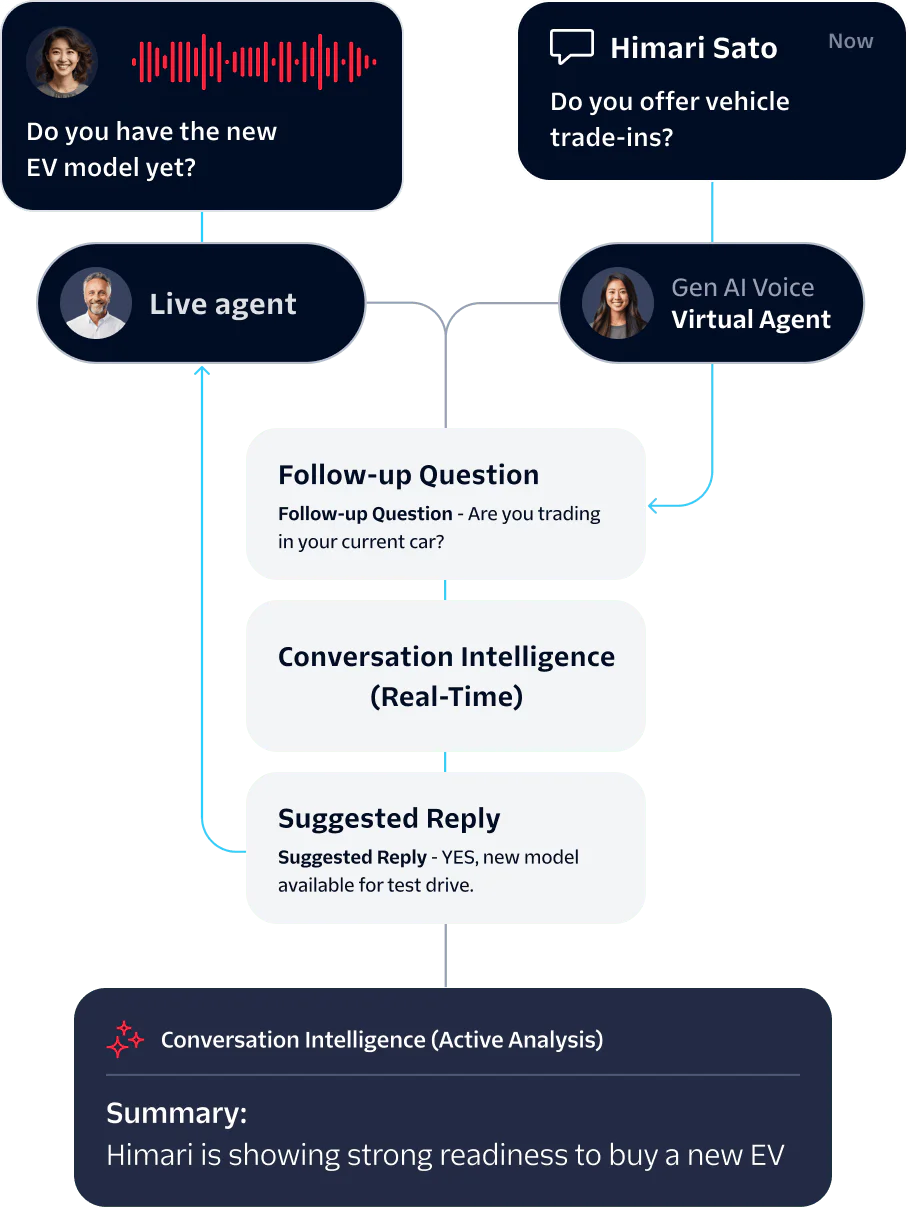
Enhance live agent performance with next-best action suggestions based on real-time data
-
Analyze 100% of conversations across languages
-
Catch script violations and churn risk mid‑conversation — instead of waiting for the next week’s report
-
Continuously refine the customer support experience with incremental improvements
New
The AI-powered Conversations layer
Conversation Intelligence is part of a layer of intelligence that lets you build a persistent customer memory. It surfaces intent, sentiment, and risk signals across channels to inform AI and human agents in real-time, while also enriching your customer memory.
How does Conversation Intelligence work?
Turn conversations into structured signals you can mine for insights and business intelligence on any channel, in real time.
Channels
Agents
Conversation Intelligence capabilities
Uncover opportunities to drive operational efficiency and build a persistent customer memory through Conversation Intelligence.
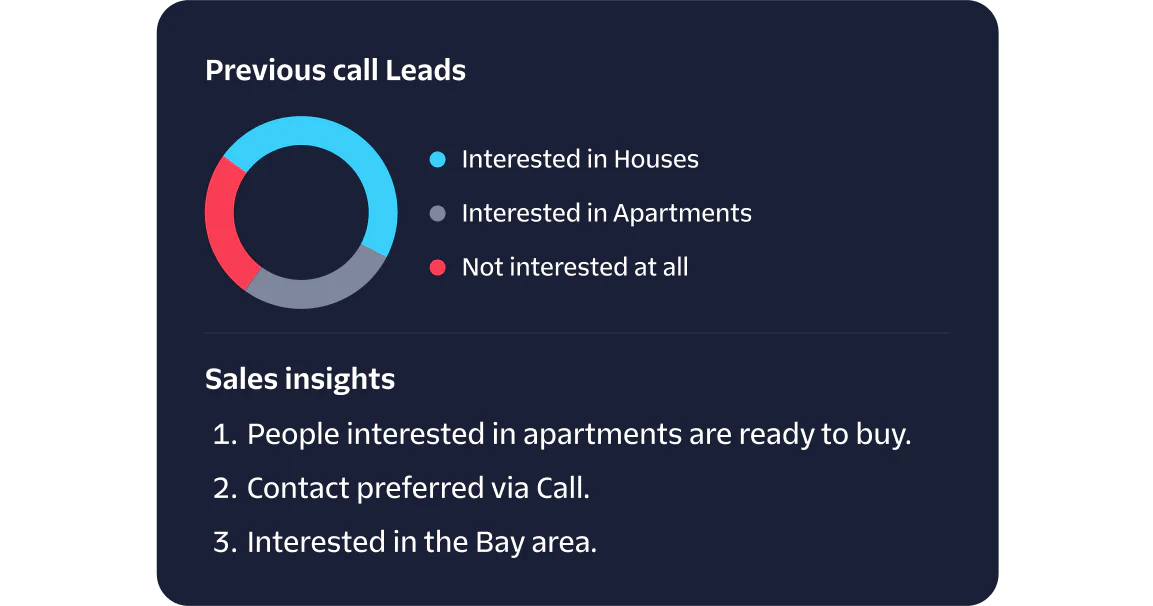
Transform unstructured conversations into structured data
Extract deep meaning from any conversation with unmatched accuracy and configurability thanks to real-time AI analysis.
-
Generative insights
Customize call scoring, generate competitive intelligence, and detect intent with natural language prompts
-
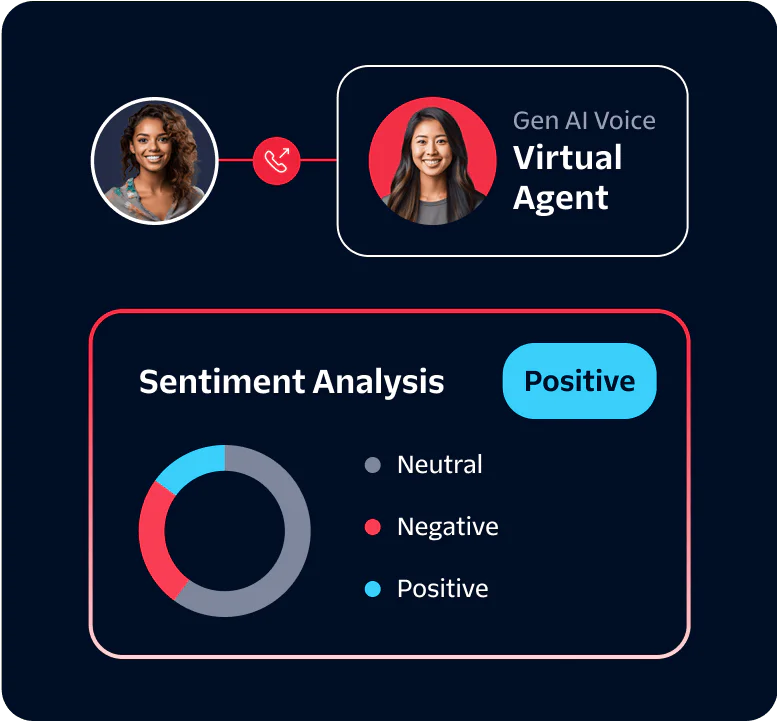
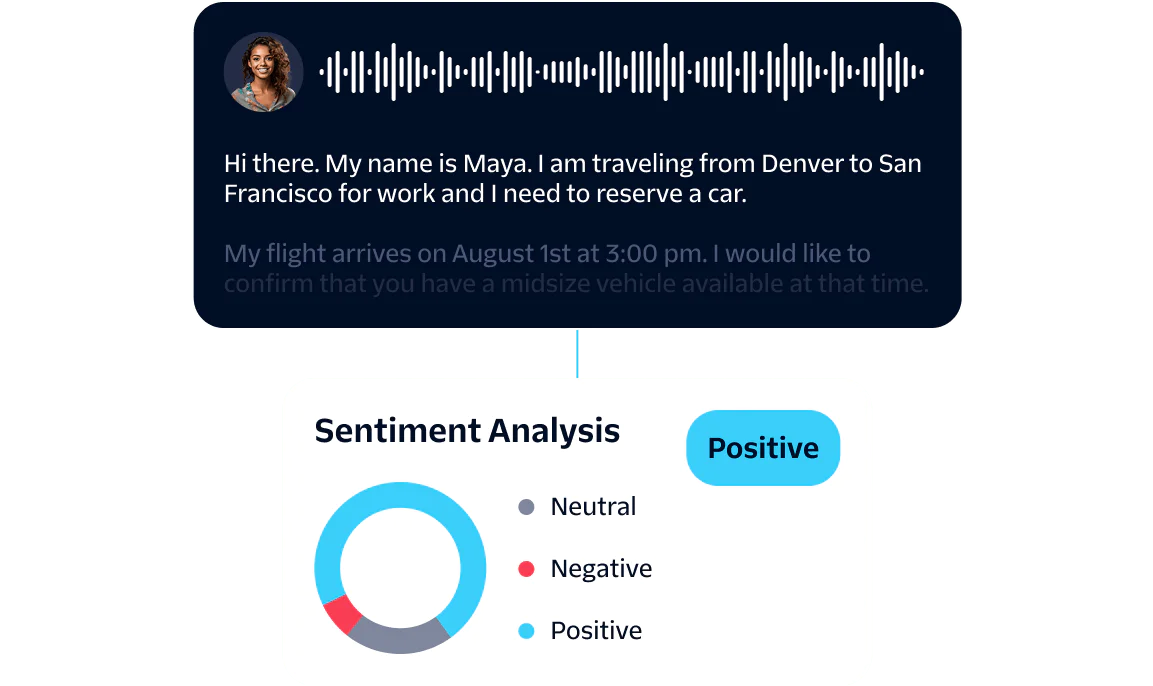
Real-time sentiment analysis
Detect shifts in customer intent, tone, and potential risks in order to trigger an escalation
-
Entity recognition
Extract key details like names, locations, and events
-
Conversation summaries
Automatically surface crucial call details and customer context for faster decision making and to enrich the Conversation Memory
Turn your conversations into actionable insights. Start for free.
Twilio Conversation Intelligence lets you act on conversational data with one convenient, AI-driven tool. View our pricing for Twilio Conversations or sign up for free today.

Conversation Intelligence FAQs
Twilio Conversation Intelligence is a real-time layer that turns live conversations into signals and actions. It analyzes voice and messaging across channels to surface intent, sentiment, and risk, so human and AI agents can act in the moment. This rescues deals, catches churn, and enforces compliance, all while building a persistent customer memory.
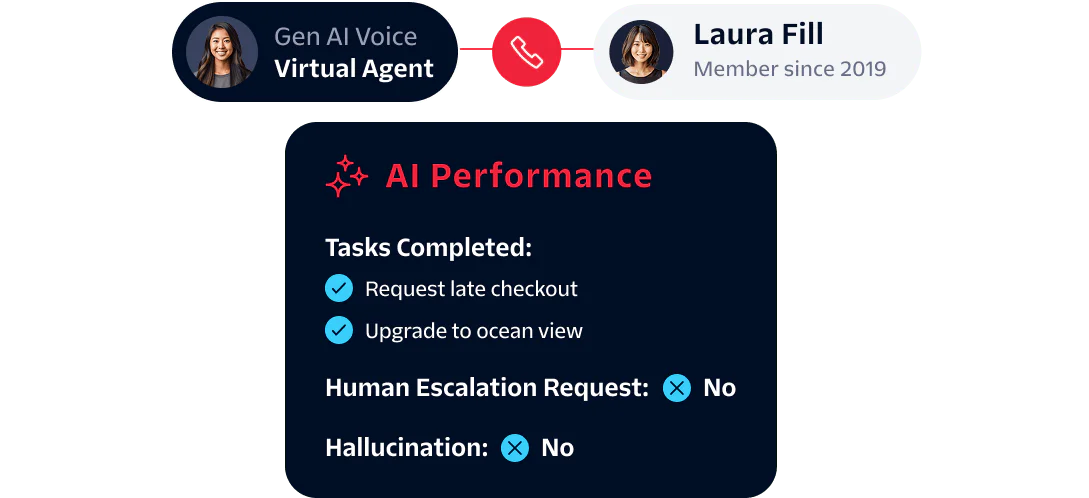
Twilio Conversation Intelligence analyzes 100% of your conversations across voice and messaging (SMS, RCS, WhatsApp, web chat, and more) in one unified layer. It works on interactions with both human agents and virtual agents, so you can monitor performance and extract insights from every conversation.
Twilio Conversation Intelligence analyzes live calls as they happen and surfaces next-best action suggestions to human agents based on real-time data, so an agent gets guidance mid-call instead of feedback in next week's report. Real-time sentiment analysis can also flag a shift in tone and trigger an escalation before a call goes sideways.
Twilio Conversation Intelligence turns unstructured conversations into structured data with GenAI Language Operators. It handles intent detection, real-time sentiment analysis, entity recognition, resolution status, and customizable call scoring that you define with natural-language prompts. Configure operators to surface the metrics your team tracks, from drop-off and churn risk to compliance violations, across 100% of conversations.
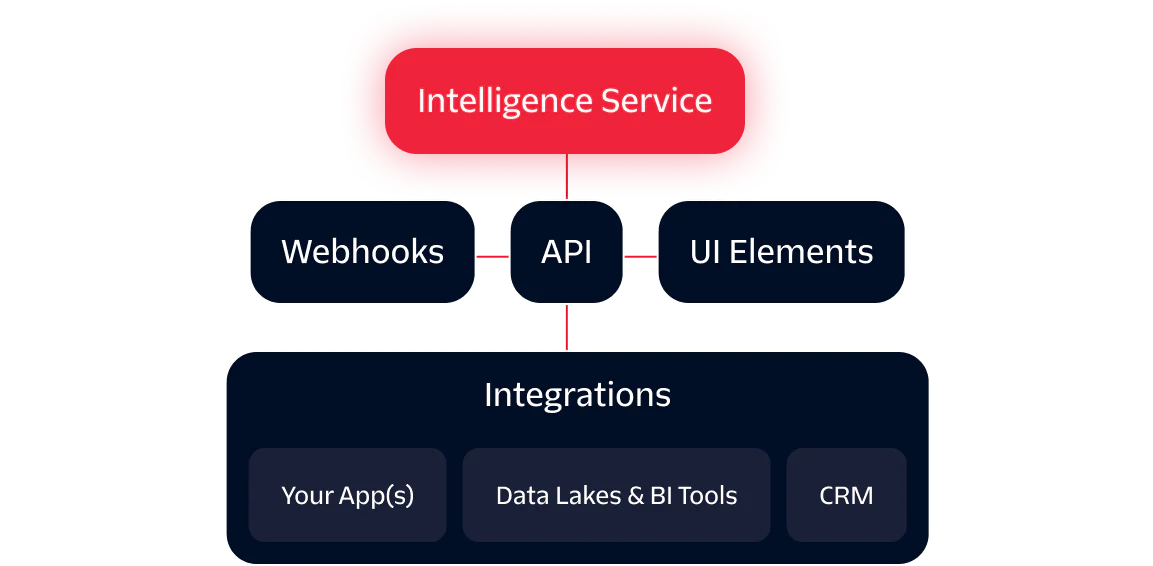
Twilio Conversation Intelligence delivers real-time call transcription and generative AI-powered summaries that capture intent, key entities, and resolution status automatically. Because Twilio is a programmable platform, you can push those transcripts and summaries straight into CRMs and help desks like Salesforce, Zendesk, or HubSpot through webhooks, custom integrations, or managed packages like Twilio for Salesforce.
Yes. Twilio Conversation Intelligence supports real-time and post-conversation transcription, then automatically generates conversation summaries that surface the key details of each call. Those summaries feed your customer memory, so context from one conversation carries into the next instead of getting lost after the call ends.
Language Operators are the GenAI engines that turn conversations into structured signals. Twilio-authored operators handle common tasks out of the box, while custom operators let you write your own natural-language logic (call scoring, competitive intelligence, intent detection). Conversation Intelligence extracts exactly the data your business needs from every interaction.
Standard analytics score a sample of calls after the fact. Twilio Conversation Intelligence works on 100% of conversations in real time, across voice and messaging, and acts mid-conversation to surface suggestions, trigger escalations, and enforce compliance as it happens. It also enriches a persistent customer memory, so insight compounds across conversations instead of sitting in a weekly report.